
Managing deadlines can be one of the most challenging aspects of running an accounting firm, CPA practice, or small business. With multiple clients, tax filings, and project milestones to handle, missing a single deadline can have significant consequences, including penalties and lost credibility. Due date tracking software offers a solution by centralizing deadlines, automating reminders, and streamlining workflow for accountants and business teams.


This type of software is not just a calendar or reminder tool. It acts as a comprehensive management system that allows professionals to organize, monitor, and prioritize all tasks. Whether tracking tax returns, project deadlines, or client submissions, due date tracking software ensures accuracy and reliability, reducing human error and improving productivity across the organization.
What is Due Date Tracking Software?
Due date tracking software is a digital tool designed to help professionals track and manage deadlines efficiently. Unlike manual systems, it offers automated alerts, customizable dashboards, and reporting features to ensure all tasks are completed on time. This software is particularly important for accountants and CPAs who must adhere to strict regulatory deadlines.
Modern due date tracking software programs often include cloud-based access and mobile applications. This means teams can monitor deadlines on the go, collaborate in real-time, and update progress from anywhere. Accounting firms, CPAs, and small business teams benefit from the visibility and control that such software provides, making workflow management far more efficient and reliable.
Key Features to Look For in Due Date Tracking Software
When selecting due date tracking software, certain features are essential for maximizing efficiency. Automated reminders, alerts for approaching deadlines, and integration with accounting or tax software can save time and reduce mistakes. The ability to customize notifications ensures that no task is overlooked, even in complex accounting workflows.
Other important features include multi-user access, collaborative task management, and reporting dashboards. Accounting firms and CPA offices need software that can handle multiple clients, track deadlines across various accounts, and provide analytical insights. The right due date tracking software program offers both flexibility and comprehensive tracking capabilities to meet professional needs.
Best Due Date Tracking Software for Accountants and CPAs
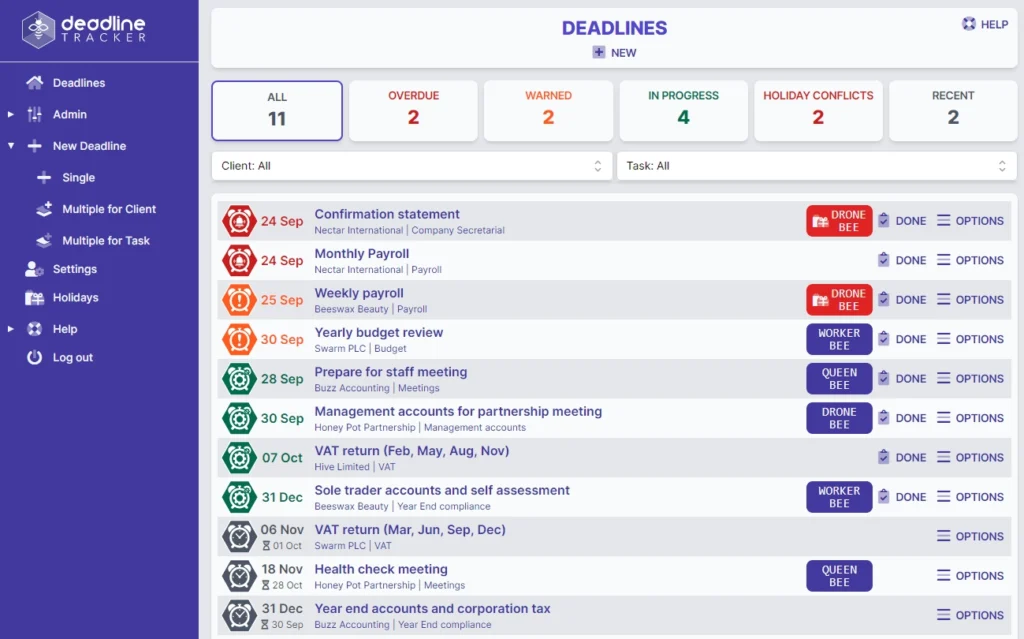
Finding the best due date tracking software for accountants or CPAs depends on specific requirements, such as firm size, workflow complexity, and budget. Many programs provide specialized tools for tax and compliance tracking, while others focus on general task management and workflow automation. Evaluating features and user-friendliness is key to choosing the right solution.
There are both free and paid options available. Free due date tracking software can be suitable for smaller firms with fewer clients, while advanced paid solutions offer integrations, reporting dashboards, and multi-user collaboration for larger teams. Accounting professionals benefit from a tool that reduces manual workload and ensures deadlines are never missed.
How to Choose the Right Due Date Tracking Software for Your Accounting Firm
Selecting a due date tracking software program requires consideration of firm size, workflow, and specific accounting requirements. Security, data backup, and compliance features are critical when handling sensitive client information. The software should seamlessly integrate with existing accounting and tax systems to enhance efficiency.
Customization is also essential. Each accounting firm has unique needs, and a good due date tracking software program for CPAs allows you to tailor alerts, dashboards, and task priorities. By carefully evaluating features, user experience, and scalability, firms can ensure the software supports growth while maintaining high standards of accuracy and reliability.
Benefits of Using Due Date Tracking Software
The benefits of due date tracking software extend beyond simple reminders. It improves accountability, reduces human error, and helps teams meet deadlines consistently. Accountants and CPAs can focus on higher-value tasks, knowing that their software automatically tracks and notifies them of upcoming deadlines.
Additionally, the software fosters collaboration, especially for firms managing multiple clients. By centralizing deadlines and offering analytical insights, due date tracking software for accountants enhances workflow management, boosts productivity, and increases client satisfaction. Firms can avoid costly mistakes and maintain a reputation for reliability and professionalism.
Common Mistakes to Avoid When Using Due Date Tracking Software
Even the best due date tracking software program can fail if not used correctly. Common mistakes include relying solely on software without verification, neglecting to customize alerts, and ignoring integration updates. These missteps can reduce the effectiveness of the software and risk missing critical deadlines.
Another mistake is failing to train team members on how to use the software efficiently. Proper onboarding ensures that all employees understand how to update deadlines, track tasks, and use reminders effectively. Accounting firms and CPAs that optimize software use see the full benefits of due date tracking software programs for CPAs and accountants.
Conclusion
Due date tracking software is an indispensable tool for accountants, CPAs, and small businesses looking to streamline deadlines, improve productivity, and reduce errors. By centralizing task management and offering automated reminders, these programs make it easier to meet compliance and client expectations consistently.
Choosing the right software—whether free or paid—can transform how accounting firms operate. From smaller practices to large CPA offices, a reliable due date tracking software program ensures deadlines are never missed, work efficiency is maximized, and professional credibility is maintained.