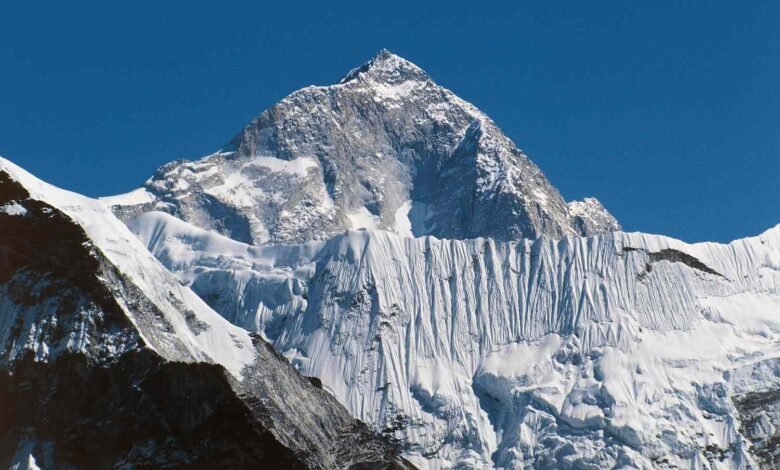
China is renowned for its vast and diverse landscapes, featuring deserts, rivers, and some of the tallest mountains in the world. Among these natural wonders, the highest elevation in China stands out as a symbol of both adventure and natural grandeur. These towering peaks attract mountaineers, travelers, and geography enthusiasts seeking to witness nature at its most dramatic. The highest elevation in China is not only a geographical marvel but also a cultural and spiritual landmark, drawing visitors from across the globe.

The regions surrounding the highest elevation in China offer more than just height. From icy summits to lush valleys below, the terrain reflects a blend of natural beauty and ecological significance. These highlands influence climate patterns, river systems, and even the lifestyle of local communities. Understanding the highest elevation in China provides insight into both the country’s geography and the remarkable adaptations of life in extreme environments.
What is the Highest Elevation in China
The highest elevation in China is found at Mount Everest, also known as Mount Qomolangma in Tibetan. With an official height of 8,848.86 meters (29,032 feet), it is the tallest point on Earth, towering above all other peaks. This incredible summit represents the pinnacle of China’s topography, making it a focal point for climbers, researchers, and travelers who wish to experience the ultimate mountain adventure.
Confirming the highest elevation in China requires precise surveying and modern technology. Chinese and Nepali researchers have worked together to measure Everest’s height accurately, ensuring international recognition. The mountain’s permanent snow cover, glaciers, and extreme conditions make it one of the most challenging peaks to climb. Mount Everest embodies the ultimate representation of the highest elevation in China, combining natural majesty with human fascination.
Where is the Highest Elevation in China
The highest elevation in China is located along the border of Tibet Autonomous Region and Nepal, nestled within the Himalayan mountain range. The region offers dramatic vistas, including steep cliffs, expansive glaciers, and breathtaking valleys. These natural features make the location of the highest elevation in China a must-see for adventurers and nature lovers seeking both challenge and beauty.
This area also forms part of the Qinghai-Tibet Plateau, often referred to as the “Roof of the World.” With an average elevation of about 4,500 meters, the plateau supports unique ecosystems and indigenous communities adapted to extreme conditions. The combination of the plateau’s vastness and Mount Everest’s height makes the highest elevation in China not just a peak, but an entire geographic region of awe-inspiring landscapes and ecological importance.
Top Mountains at the Highest Elevation in China
China is home to many of the world’s tallest peaks, each contributing to the country’s reputation for extreme elevations. In addition to Mount Everest, notable mountains include K2 (Mount Qogir) at 8,611 meters, Mount Gongga at 7,509 meters, and Kangchenjunga along the Chinese border at 8,586 meters. These peaks offer a mix of challenging climbs, scenic views, and cultural significance.
The mountains surrounding the highest elevation in China are often linked with local myths and spiritual traditions. Tibetan monasteries and sacred sites are scattered near several peaks, adding a cultural dimension to these natural wonders. Trekking or climbing in these regions allows travelers to experience both extreme heights and rich heritage, making the highest elevation in China a combination of natural power and cultural depth.
China’s High-Altitude Plateaus and Landscapes
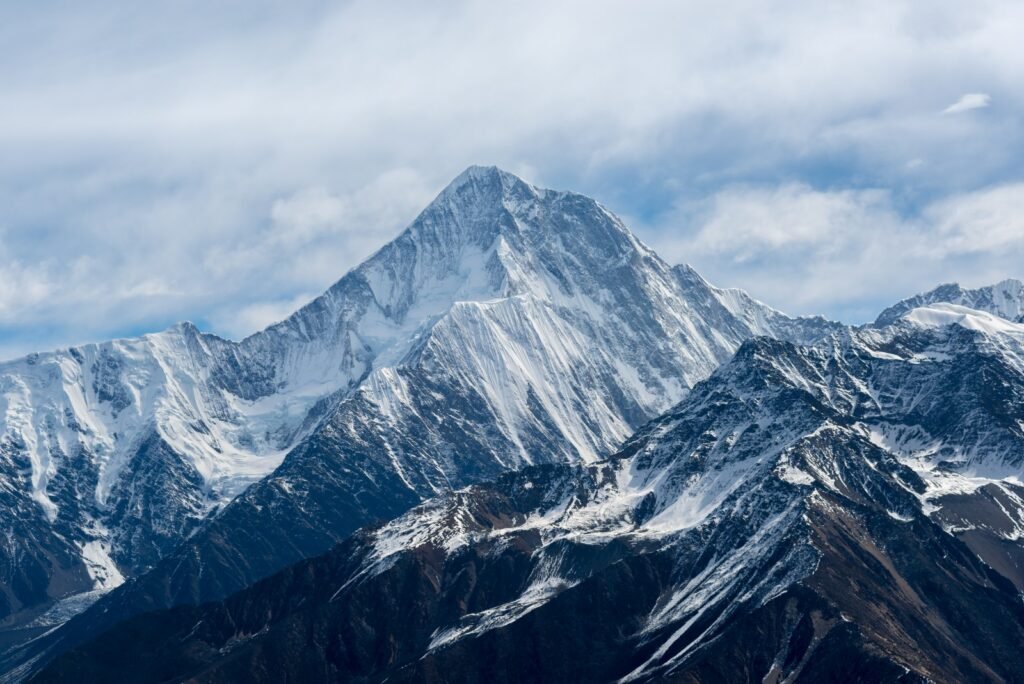
The Qinghai-Tibet Plateau plays a central role in defining the highest elevation in China. Covering a vast area of western China, it supports unique wildlife, such as snow leopards and high-altitude yaks, as well as endemic plants adapted to the harsh climate. The plateau’s vast plains and valleys provide a striking contrast to the jagged peaks of the Himalayas, forming a diverse landscape at extreme altitudes.
Life on these plateaus requires significant adaptation. Human communities have learned to survive in low-oxygen environments, building settlements and maintaining traditions at altitudes that challenge the body. The plateau’s influence extends beyond the local region, affecting river systems, climate, and even agricultural practices across China. Understanding these high-altitude landscapes is essential to appreciating the full scope of the highest elevation in China.
Tourism and Adventure at the Highest Elevation in China
Tourism in the regions surrounding the highest elevation in China continues to grow. Travelers visit to trek along Everest Base Camp routes, experience high-altitude cities, and observe the cultural richness of Tibetan communities. Adventure seekers also attempt climbs, while casual tourists enjoy panoramic views and the unique beauty of snow-capped peaks.
Safety is critical when exploring the highest elevation in China. Altitude sickness, extreme weather, and rugged terrain are common challenges. Nevertheless, proper preparation allows travelers to safely experience these majestic areas. Visiting the highest elevation in China is a life-changing adventure, offering breathtaking landscapes, spiritual experiences, and a sense of achievement that few other destinations can match.
Interesting Facts About the Highest Elevation in China
The highest elevation in China is more than a mountain; it is a record of geological history and human endeavor. Glaciers, permanent snow cover, and extreme winds shape the landscape. Mount Everest has been the site of numerous historic expeditions, scientific research projects, and cultural references, highlighting its global significance.
Other peaks contributing to the highest elevation in China, such as K2 and Mount Gongga, have unique stories of exploration and challenge. These mountains influence local rivers, weather patterns, and ecosystems, creating a complex and dynamic high-altitude environment. The highest elevation in China is a blend of natural wonder, cultural importance, and extraordinary human achievement.
Conclusion
The highest elevation in China, crowned by Mount Everest, represents the ultimate blend of natural majesty, adventure, and cultural significance. From the Himalayan peaks to the vast Qinghai-Tibet Plateau, these regions showcase China’s extreme landscapes and high-altitude environments. Travelers, adventurers, and nature enthusiasts can experience breathtaking views, challenging climbs, and cultural richness, making the highest elevation in China a destination unlike any other.