
Interesterified soybean oil is a type of modified fat that has gained popularity in the food industry as an alternative to hydrogenated oils. It is produced by rearranging fatty acids on glycerol molecules to create a solid or semi-solid fat without producing harmful trans fats. This makes it a preferred ingredient in margarine, baked goods, shortening, and other processed foods. Its ability to provide consistent texture while avoiding trans fats has made it an important focus of both food manufacturers and health researchers.


While interesterified soybean oil offers advantages in food production, it is not without potential health concerns. Research has explored its impact on metabolism, glucose regulation, and liver function, highlighting a need for moderation in consumption. Consumers seeking to reduce trans fats may benefit from products containing this oil, but understanding its properties and health implications is essential before making it a regular part of the diet.
What Is Interesterified Soybean Oil
Interesterified soybean oil is a modified fat produced through chemical or enzymatic processes that rearrange the fatty acids in soybean oil. Unlike hydrogenation, which adds hydrogen atoms and often creates trans fats, interesterification only reorganizes existing fatty acids. This modification improves the physical properties of the oil, giving it a solid or semi-solid consistency suitable for baking, frying, and margarine production.
This process allows manufacturers to create tailored fats with specific melting points and textures, making them versatile for various food applications. Consumers often confuse interesterified soybean oil with hydrogenated oils, but the key difference lies in trans fat content. Interesterified soybean oil avoids harmful trans fats, which have been strongly linked to heart disease and inflammation, positioning it as a seemingly healthier alternative.
Uses of Interesterified Soybean Oil
Interesterified soybean oil is widely used in the food industry due to its functional benefits. It provides the necessary texture and stability for products like margarine, shortening, spreads, and baked goods. Its semi-solid nature allows it to mimic the properties of traditional fats without producing harmful trans fats, making it an essential ingredient in processed and packaged foods that aim for healthier alternatives.
Beyond baked goods, interesterified soybean oil is also favored for deep-frying and snack production. Its stability at high temperatures prevents rancidity and preserves flavor, allowing foods to maintain quality during storage and cooking. The adaptability of this oil in different applications has made it a go-to fat for manufacturers looking to balance functionality, taste, and nutrition in commercially prepared foods.
Health Considerations of Interesterified Soybean Oil
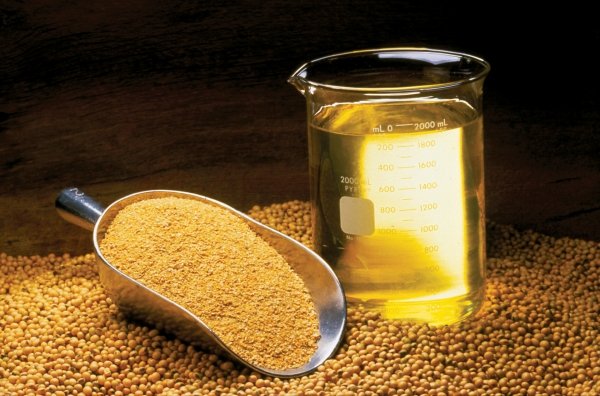
Despite its benefits, interesterified soybean oil has potential health risks that warrant attention. Studies indicate that excessive consumption may affect blood sugar regulation, insulin sensitivity, and weight management. Some research has also linked high intake to increased markers of liver stress and metabolic disturbances, suggesting that moderation is essential when incorporating this oil into the diet.
Compared to hydrogenated oils, interesterified soybean oil may reduce the risk of heart disease because it eliminates trans fats. However, it is not a completely risk-free fat. Consumers should balance foods containing this oil with whole, minimally processed ingredients to minimize metabolic strain. Understanding the potential consequences of regular intake helps make informed dietary decisions.
Allergies and Side Effects
Interesterified soybean oil can pose allergy concerns for individuals sensitive to soy. Allergic reactions may include digestive discomfort, skin rashes, respiratory issues, or more severe symptoms in those with high sensitivity. People with known soy allergies should carefully read ingredient labels to avoid products containing this oil and consider alternative fats in cooking or baking.
Beyond allergic reactions, some research suggests that frequent consumption of interesterified soybean oil might increase liver inflammation or contribute to cellular stress markers. While occasional intake is generally considered safe, those with metabolic disorders, diabetes, or liver conditions should exercise caution. Monitoring portion sizes and overall fat intake is key to minimizing potential side effects.
Benefits and Advantages
Interesterified soybean oil provides several functional and health-related advantages over traditional hydrogenated oils. One major benefit is its elimination of artificial trans fats while maintaining desirable texture and stability in food products. This makes it a preferred choice for manufacturers seeking healthier alternatives in margarine, spreads, baked goods, and snack foods.
Additionally, the oil’s semi-solid consistency allows for precise control over melting points, texture, and mouthfeel. This makes interesterified soybean oil highly adaptable in food production, from bakery products to deep-fried snacks. For consumers looking to reduce trans fat intake without compromising taste or quality, this oil offers a practical solution when used in moderation.
Conclusion
Interesterified soybean oil is a widely used and versatile fat that provides a safer alternative to hydrogenated oils by eliminating harmful trans fats. It offers stability, texture, and functionality for processed foods, making it a valuable ingredient in margarine, baked goods, and frying applications. However, it is important to be aware of potential health risks, including effects on blood sugar, liver stress, and metabolism.
For consumers, moderation and awareness are key. Incorporating interesterified soybean oil occasionally, while maintaining a balanced diet rich in whole foods, ensures that its benefits can be enjoyed safely. Reading ingredient labels and understanding the properties of fats can help make informed choices for better overall health.