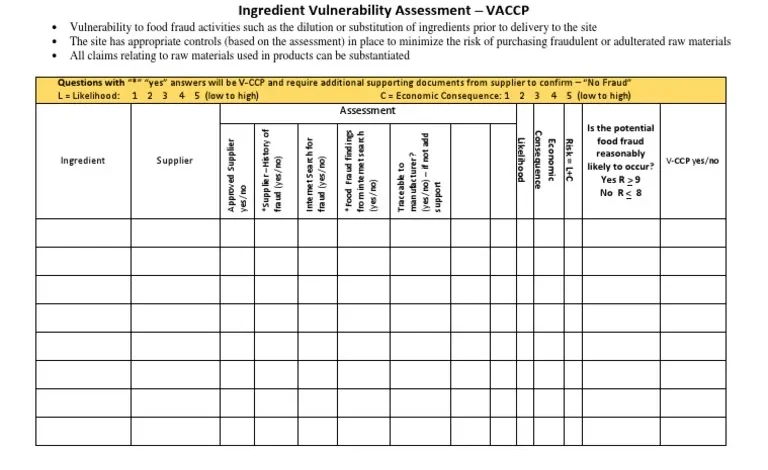
Food fraud is a growing concern in the global and US food industry, affecting manufacturers, suppliers, and consumers alike. A food fraud vulnerability assessment template is an essential tool for evaluating risks in the food supply chain. By systematically identifying ingredients, suppliers, and processes vulnerable to adulteration, substitution, or mislabeling, companies can proactively prevent fraud and protect their brand reputation.


Using a food fraud vulnerability assessment template also helps organizations comply with US regulations such as FSMA and VACCP. Templates are available in formats like PDF, Excel, or free downloads, making them accessible to businesses of all sizes. Implementing a structured template ensures that teams can consistently identify vulnerabilities and prioritize mitigation strategies effectively.
What is a Food Fraud Vulnerability Assessment Template
A food fraud vulnerability assessment template is a structured framework designed to help businesses identify, assess, and manage the risks of food fraud. This type of template evaluates factors such as ingredient origin, supplier reliability, processing steps, and historical incidents of fraud. By using the template, companies can systematically assess where their supply chain may be at risk of economically motivated adulteration or other fraudulent activities.
Templates also provide scoring systems to categorize risk levels as high, medium, or low. This ranking allows organizations to focus resources on the most critical vulnerabilities. Food fraud vulnerability assessment templates are not only valuable for compliance but also enhance consumer trust, ensuring that products remain safe and authentic throughout the supply chain.
Why You Need a Food Fraud Vulnerability Assessment Template
A food fraud vulnerability assessment template is critical for businesses seeking to minimize risks and maintain compliance. Without a structured template, assessing vulnerabilities can be inconsistent, time-consuming, and prone to errors. Templates offer a clear, repeatable process that saves time, provides accurate documentation, and ensures that no critical areas of the supply chain are overlooked.
Beyond compliance, these templates are essential for protecting brand reputation. Food fraud incidents can result in financial loss, legal consequences, and diminished consumer trust. Using a food fraud vulnerability assessment template allows companies to identify high-risk ingredients or suppliers early, implement mitigation measures, and proactively address potential threats before they escalate.
Components of a Food Fraud Vulnerability Assessment Template
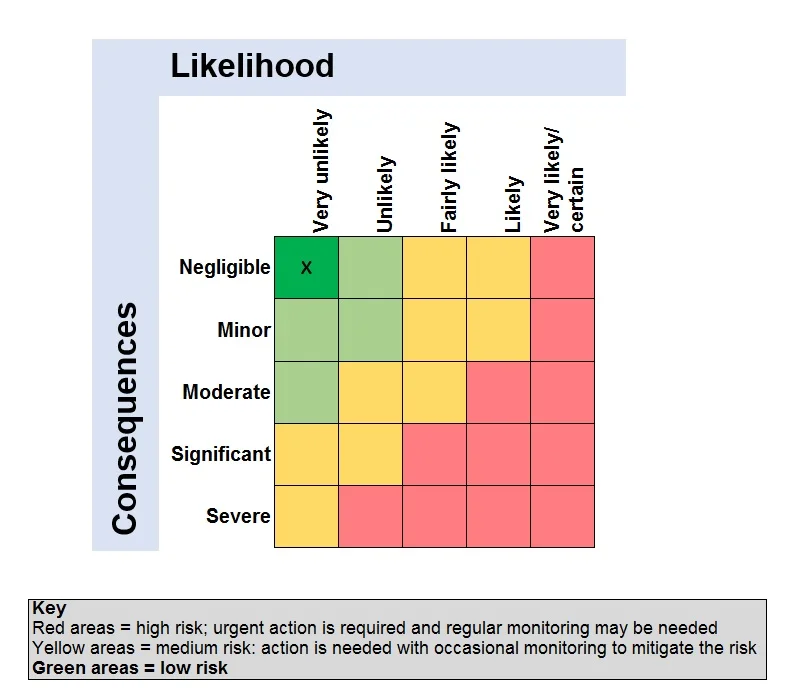
A comprehensive food fraud vulnerability assessment template typically includes several key sections. These sections cover ingredient profiling, supplier evaluation, production process analysis, historical incidents, and detection or mitigation strategies. Each part of the template guides teams through a structured assessment of potential risks and vulnerabilities in their operations.
Many templates incorporate scoring or ranking systems to help teams prioritize risk areas. High-risk ingredients or suppliers receive immediate attention, while lower-risk items are monitored regularly. Templates in PDF or Excel formats are particularly useful because they can be customized to fit the size and complexity of any business, ensuring that assessments remain relevant and actionable.
How to Use a Food Fraud Vulnerability Assessment Template
Using a food fraud vulnerability assessment template begins with gathering information about ingredients, suppliers, and production processes. Teams review historical data, assess supply chain complexity, and analyze potential vulnerabilities using the template. The structured approach ensures a thorough evaluation of every element in the food supply chain.
After identifying vulnerabilities, the template guides users to assign risk scores and prioritize mitigation actions. Companies can implement strategies such as supplier audits, ingredient testing, process modifications, and staff training. Regularly updating the food fraud vulnerability assessment template is essential to maintain compliance and adapt to emerging risks in the industry, ensuring ongoing protection for consumers.
Benefits of Using a Food Fraud Vulnerability Assessment Template
One of the main benefits of using a food fraud vulnerability assessment template is consistency. Templates ensure that risk evaluations follow a standardized approach, reducing human error and enhancing accuracy. Companies can also maintain clear documentation for audits, inspections, and compliance verification, simplifying regulatory processes.
Another significant advantage is proactive risk management. By identifying vulnerabilities early, businesses can implement preventive measures before fraud occurs. Using a food fraud vulnerability assessment template fosters accountability among teams and helps maintain consumer trust. Templates also provide a roadmap for continuous improvement, enabling organizations to strengthen their food fraud prevention strategies over time.
Top Food Fraud Vulnerability Assessment Templates
There are many types of food fraud vulnerability assessment templates available in the market, including PDF, Excel, and Word formats. Free templates are ideal for small businesses or startups, while paid templates often offer more advanced features, such as pre-filled examples, scoring calculators, or integration with existing food safety software.
Selecting the right template is essential to maximize its effectiveness. Templates should be adaptable to specific products, supplier types, and production environments. Reliable templates provide a clear workflow for assessing risks and include fields for mitigation strategies. Businesses can download these templates online, ensuring they have a structured and actionable tool for identifying vulnerabilities in their supply chain.
Conclusion
A food fraud vulnerability assessment template is a critical resource for businesses aiming to prevent fraud, protect consumers, and maintain compliance with US food regulations. Templates in PDF, Excel, or free downloadable formats offer an easy-to-use, structured approach to evaluating vulnerabilities across ingredients, suppliers, and production processes.
Regular use of a food fraud vulnerability assessment template ensures that potential risks are identified, prioritized, and mitigated effectively. Companies that integrate these templates into their food safety management systems benefit from stronger compliance, reduced risk, and increased consumer confidence. Implementing a template is a proactive step toward a safer, fraud-free food supply chain.