What Is Considered a Small Area for Laser Hair Removal: Your Complete Guide to Quick and Precise Treatments

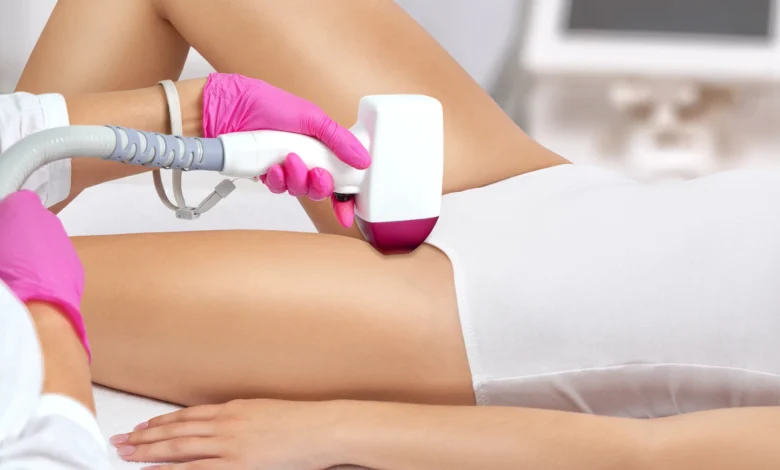
Laser hair removal has grown immensely popular across the United States as people seek long-lasting solutions to unwanted hair. Understanding what is considered a small area for laser hair removal is crucial for anyone considering treatment. Small areas are defined by their size and treatment duration, making them perfect for targeted hair removal on sensitive or limited zones of the body. Knowing which areas qualify ensures proper planning for both cost and time.


Small areas typically refer to zones around 2×2 inches or areas that require five minutes or less per session. Common small areas include the upper lip, chin, sideburns, underarms, fingers, toes, and nipples. Even delicate regions like the nose or ears fall into this category. Recognizing what is considered a small area for laser hair removal helps clients select the right treatments and understand session expectations.
Defining Small Areas for Laser Hair Removal
What is considered a small area for laser hair removal often depends on the clinic and type of laser technology used. Generally, small areas are precise and isolated patches that can be treated quickly, offering a convenient option for people with busy schedules. Smaller zones also allow for more controlled treatments, reducing discomfort and enhancing results.
Small areas are most commonly found on both the face and body. Facial zones like the upper lip, chin, sideburns, unibrow, and cheeks are typical. Body areas include underarms, fingers, toes, nipples, and small portions of the bikini line. Understanding what is considered a small area for laser hair removal ensures clients know exactly which spots are suitable for short and effective treatment sessions.
Common Small Areas and Treatment Expectations
Facial areas are among the most frequently treated small zones for laser hair removal. The upper lip and chin are popular choices, as hair in these areas is usually fine and grows back slowly after treatment. Sideburns, cheeks, and the unibrow also fall under small areas and are treated with precision to avoid damaging surrounding skin.
On the body, small areas like the underarms, nipples, fingers, toes, and sections of the bikini line are commonly treated. These areas are quick to target, typically requiring just a few minutes per session. Most clients will need multiple sessions, often ranging from two to six treatments, to achieve permanent hair reduction. Knowing what is considered a small area for laser hair removal helps set realistic expectations for timing and results.
Benefits of Targeting Small Areas
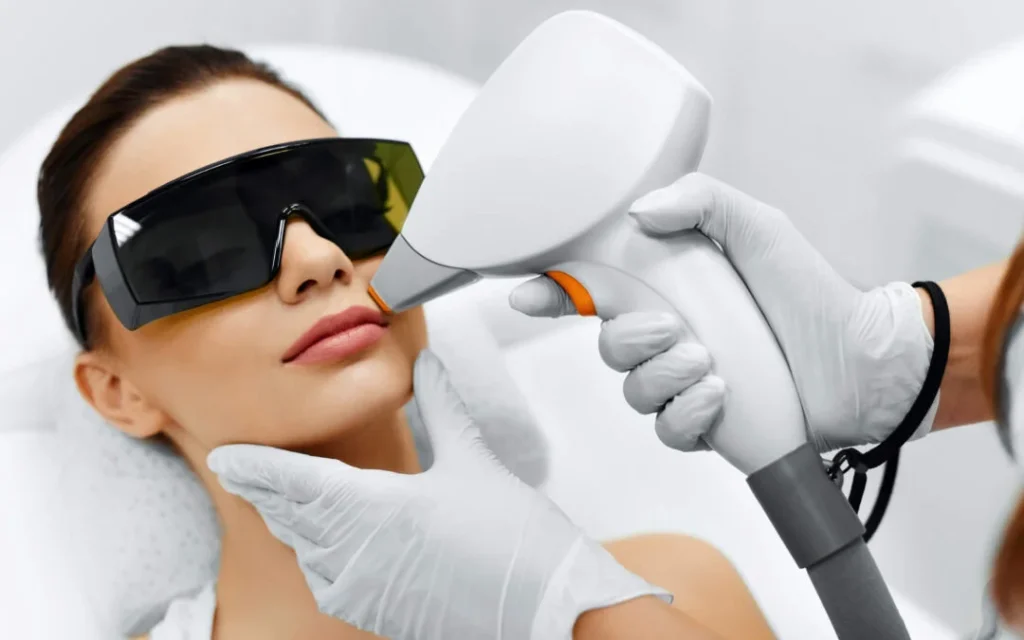
Targeting small areas offers several advantages for clients. Treatments are faster, allowing for convenient scheduling around work or personal life. Small areas also tend to be less expensive than medium or large zones, making them an excellent starting point for first-time clients or those with budget considerations.
Precision is another key benefit of treating small areas. Laser hair removal allows technicians to focus exactly where hair is present, minimizing discomfort and maximizing results. Sensitive zones, such as the upper lip or nipples, can be treated effectively with minimal pain. Understanding what is considered a small area for laser hair removal helps clients enjoy these benefits while avoiding unnecessary exposure to larger, more sensitive zones.
Laser Hair Removal Process for Small Areas
The process for small areas starts with a consultation to evaluate hair density, skin type, and treatment goals. During this consultation, a technician can determine which zones qualify as small areas and discuss how many sessions are required for the best outcome. Pre-treatment preparation often involves shaving the area and avoiding sun exposure for several days.
During treatment, a laser targets hair follicles without damaging surrounding skin. Small areas generally take just five minutes or less to treat, making sessions quick and manageable. Post-treatment care includes applying soothing creams, avoiding sun exposure, and monitoring for minor redness or swelling. Knowing what is considered a small area for laser hair removal helps patients understand the short, efficient, and precise nature of these treatments.
Costs and Packages for Small Areas
The cost of treating small areas varies across the United States. Factors influencing pricing include clinic location, area size, and number of sessions required. Typically, a single session for a small area ranges between $50 and $150. Many clinics offer discounted packages for multiple small areas, which is cost-effective and convenient.
Small areas are often grouped in packages for areas like the upper lip, chin, and underarms. These bundles allow clients to treat multiple zones at once, saving both time and money. Since laser hair removal is considered a cosmetic procedure, insurance usually does not cover it. Understanding what is considered a small area for laser hair removal helps clients plan their budget and choose the best treatment options.
Tips for Choosing the Right Small Area Treatments
When choosing which small areas to treat, prioritize zones with the most noticeable hair growth or areas that are sensitive. Facial hair is often the first choice for visibility, while underarms are selected for convenience. Hair type, skin sensitivity, and hormonal factors also affect treatment frequency and effectiveness.
During consultation, asking the right questions is important. Clients should inquire about session duration, expected results, and post-treatment care. Combining multiple small areas in a single session is often the most efficient approach. Understanding what is considered a small area for laser hair removal ensures clients get precise, effective, and time-saving results.
Conclusion
Understanding what is considered a small area for laser hair removal is essential for anyone planning hair removal treatments. Small areas provide quick, precise, and cost-effective solutions compared to medium or large zones. They allow clients to target sensitive or highly visible areas with minimal discomfort. Consulting with a professional ensures treatments are safe, effective, and tailored to individual needs.